Introduction
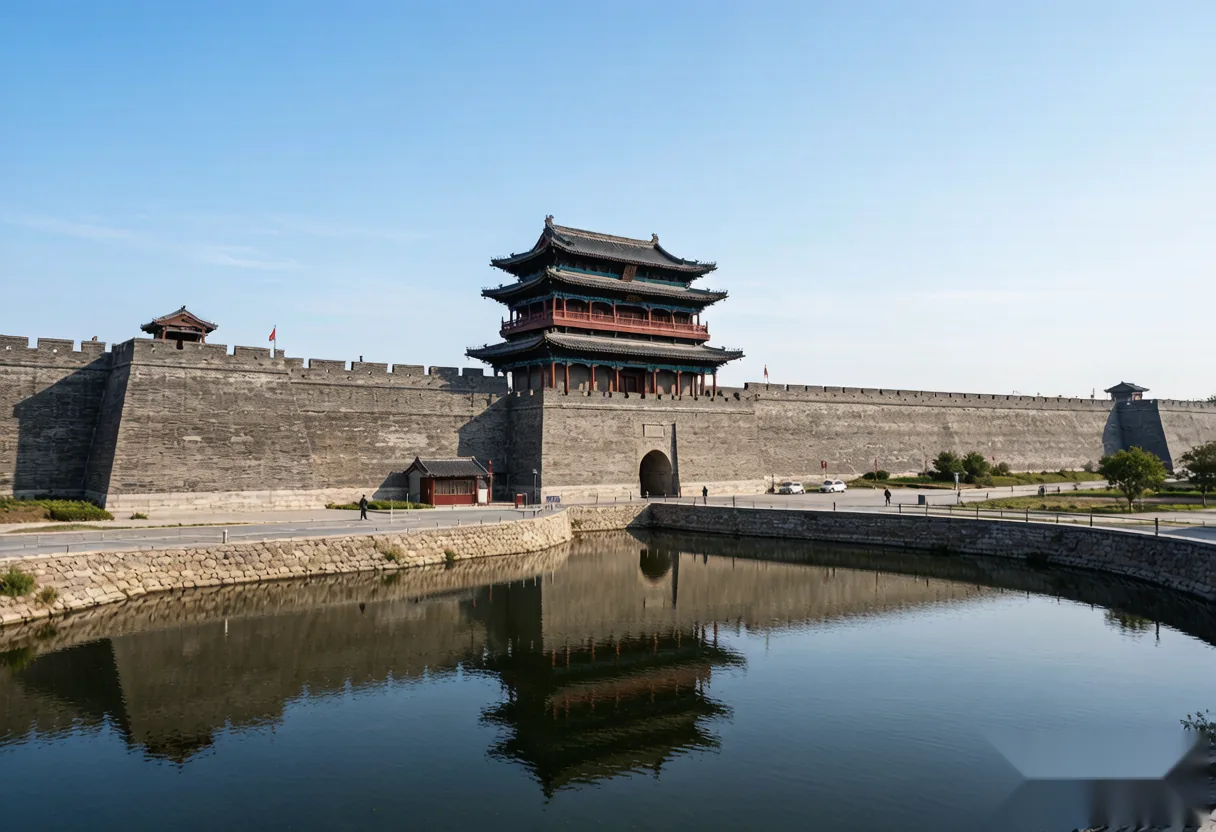
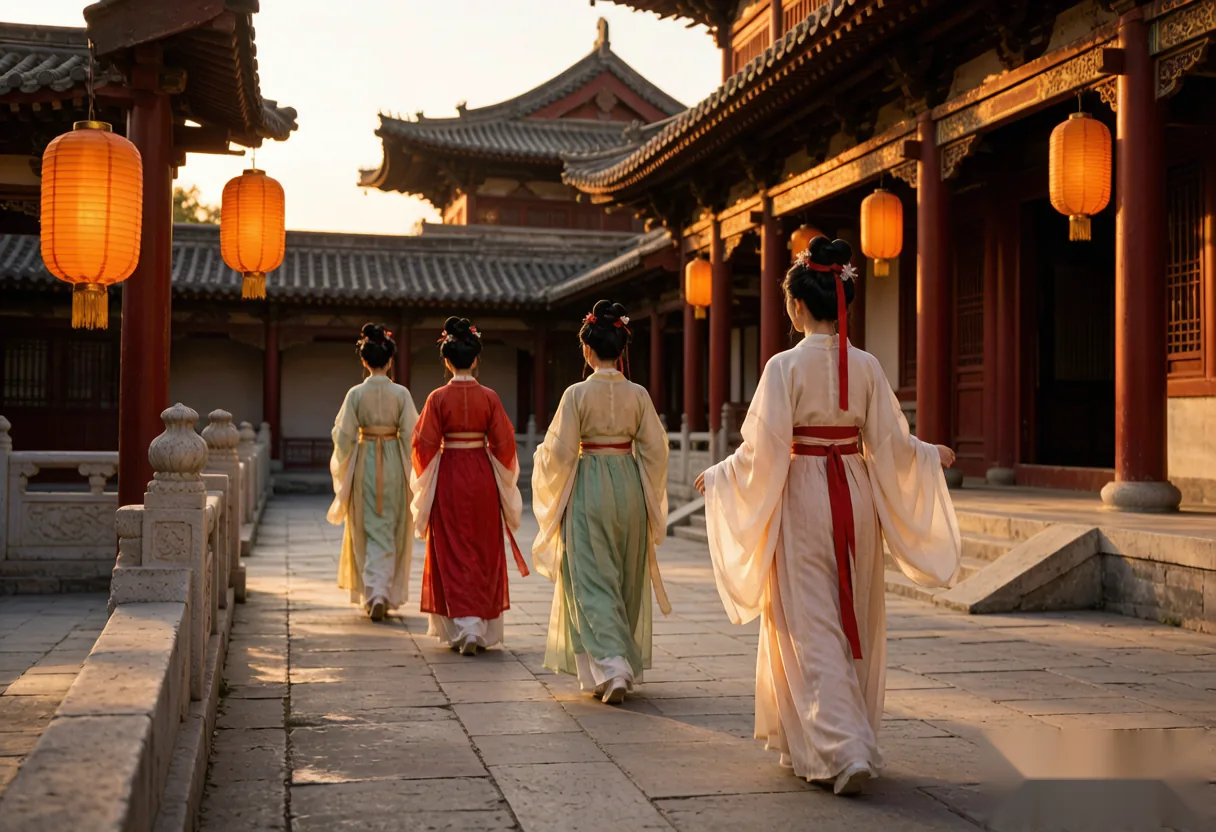
In the Tang dynasty (618–907), Luoyang was the empire’s eastern capital (东都) — a planned, prosperous counterpart to Chang’an. This was a golden age for the city, and its echoes are still visible, especially at the Longmen Grottoes and in the peonies the city celebrates every spring.
Luoyang as eastern capital
The Tang court invested heavily in Luoyang as an administrative and logistical base, leveraging its position on the grain-transport routes. It was a city of officials, monks, merchants and artisans.
Empress Wu Zetian
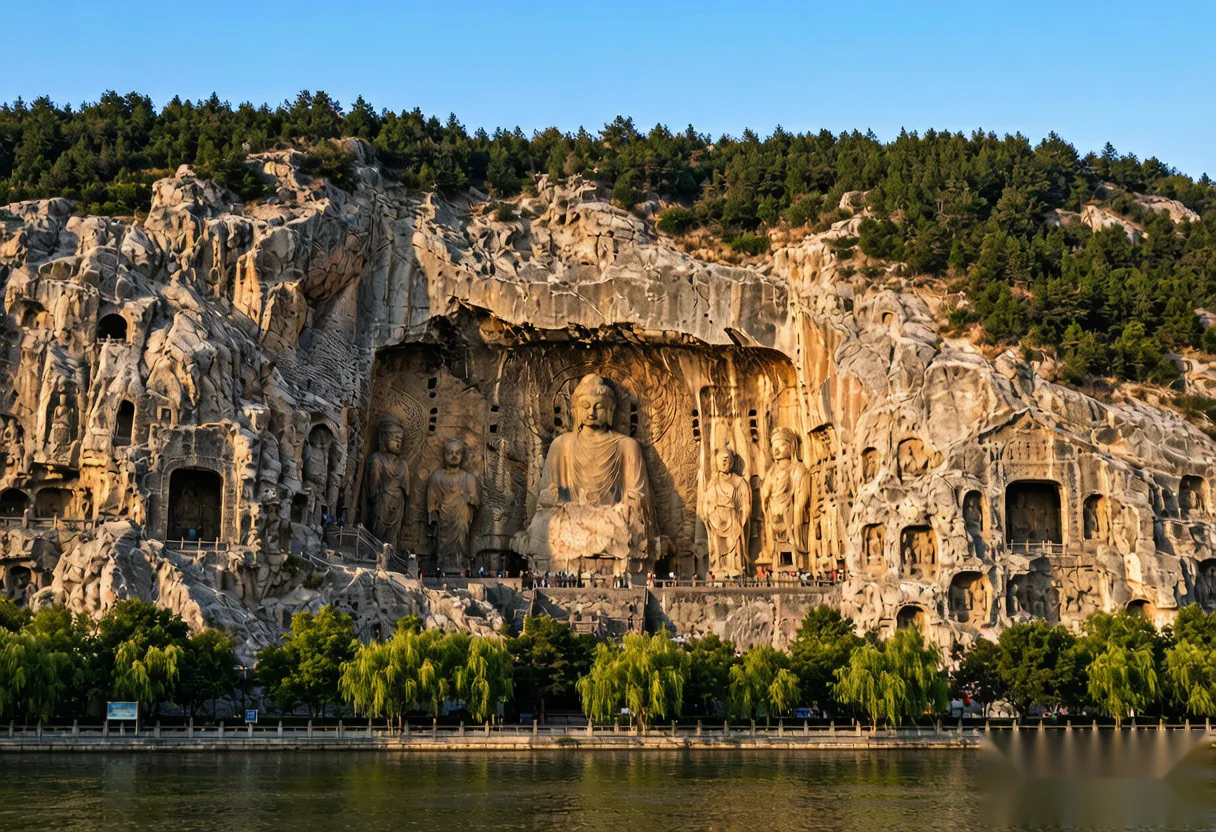
The most famous Tang association is with Wu Zetian, the only woman to rule China in her own name as emperor. She elevated Luoyang’s status and sponsored major Buddhist projects. The grand Vairocana Buddha at Longmen is often linked to her patronage — a carving you can stand before today.
Culture, Buddhism and the peony
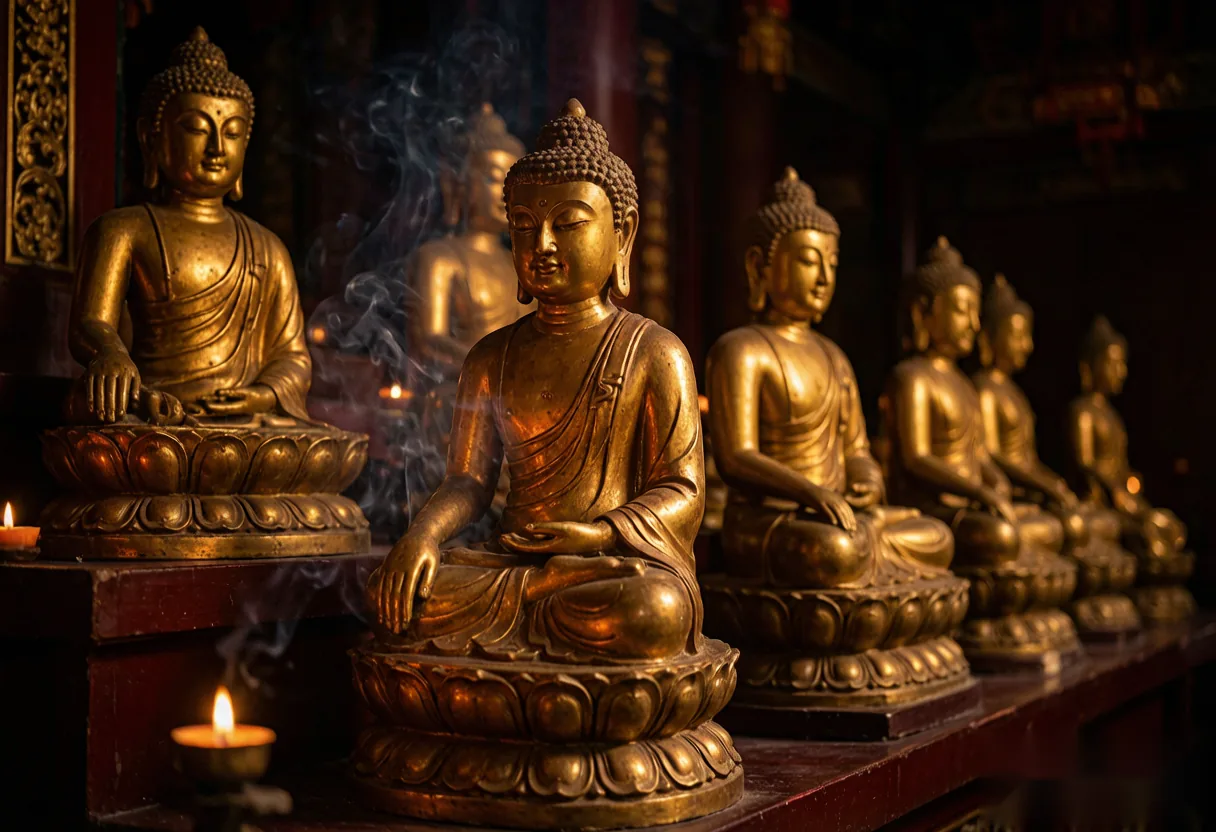
- Tang Luoyang was a centre of Buddhism, reflected in the grottoes’ Tang-era caves.
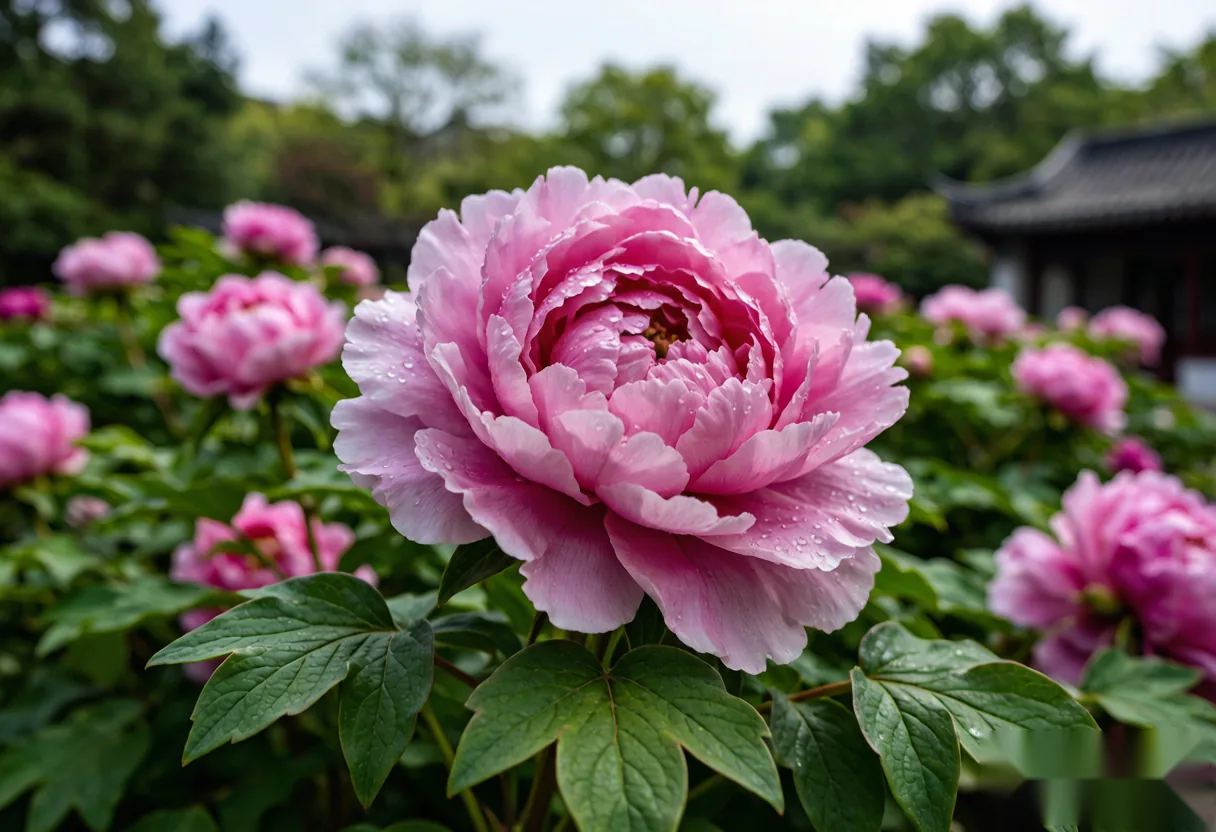
- The city’s love of the peony (牡丹) dates back centuries and peaks each April in the Peony Garden — a direct living link to its Tang-era fame as a flower-loving capital.
What to see
- Longmen Grottoes: the Tang caves and the Vairocana Buddha.
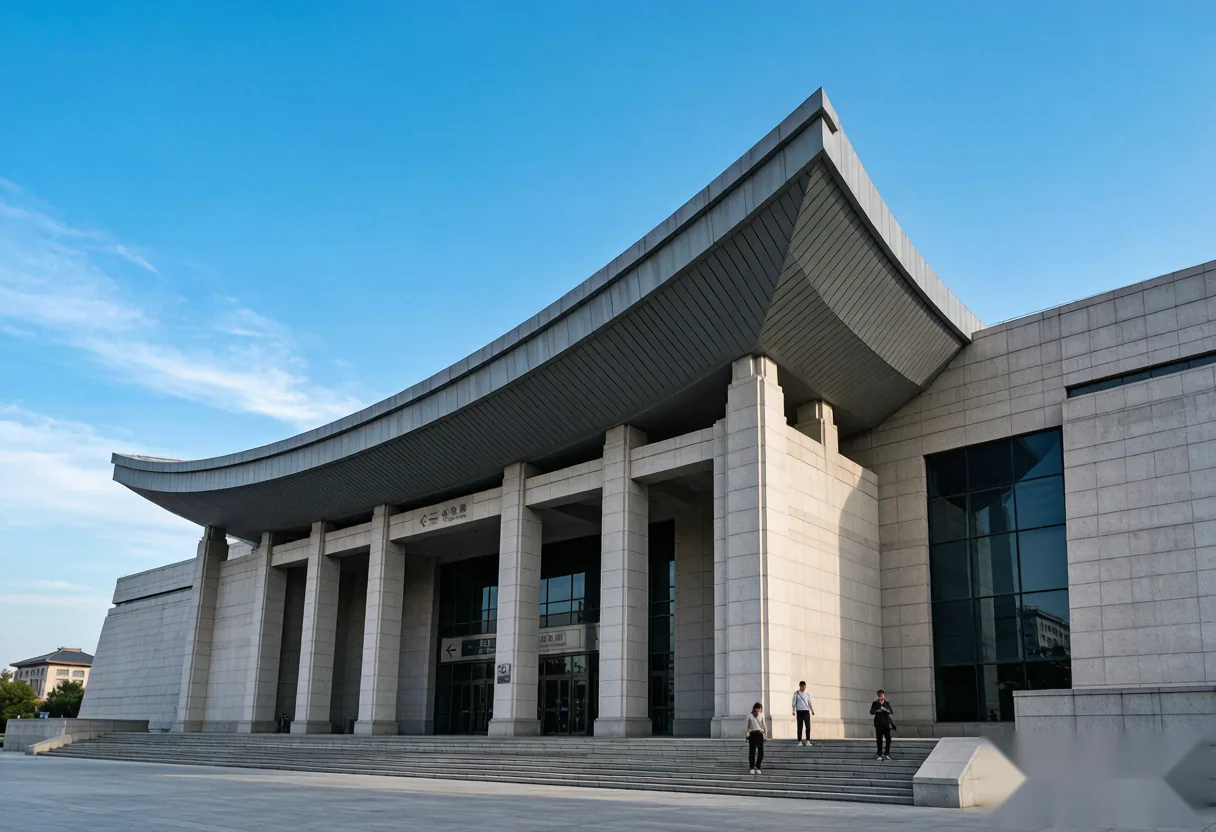
- Luoyang Museum: Tang tri-colour (sancai) pottery and artefacts.
- Peony Garden (April): the seasonal echo of Tang floral culture.
Tips
- Time a spring visit to catch the peonies and the Tang connection at once.
- Pair this page with Buddhism in Luoyang for the religious context.
Frequently asked questions
Yes — it was the Tang eastern capital (东都), a major planned city and administrative centre alongside Chang'an.
She raised the city's status and sponsored Buddhist works; the great Vairocana Buddha at Longmen is traditionally associated with her patronage.
The city's peony culture is centuries old and tied to its Tang-era reputation. The April bloom remains the city's signature event.
The Tang caves at Longmen, Tang pottery in the Luoyang Museum, and the spring Peony Garden all reflect the era.