Introduction
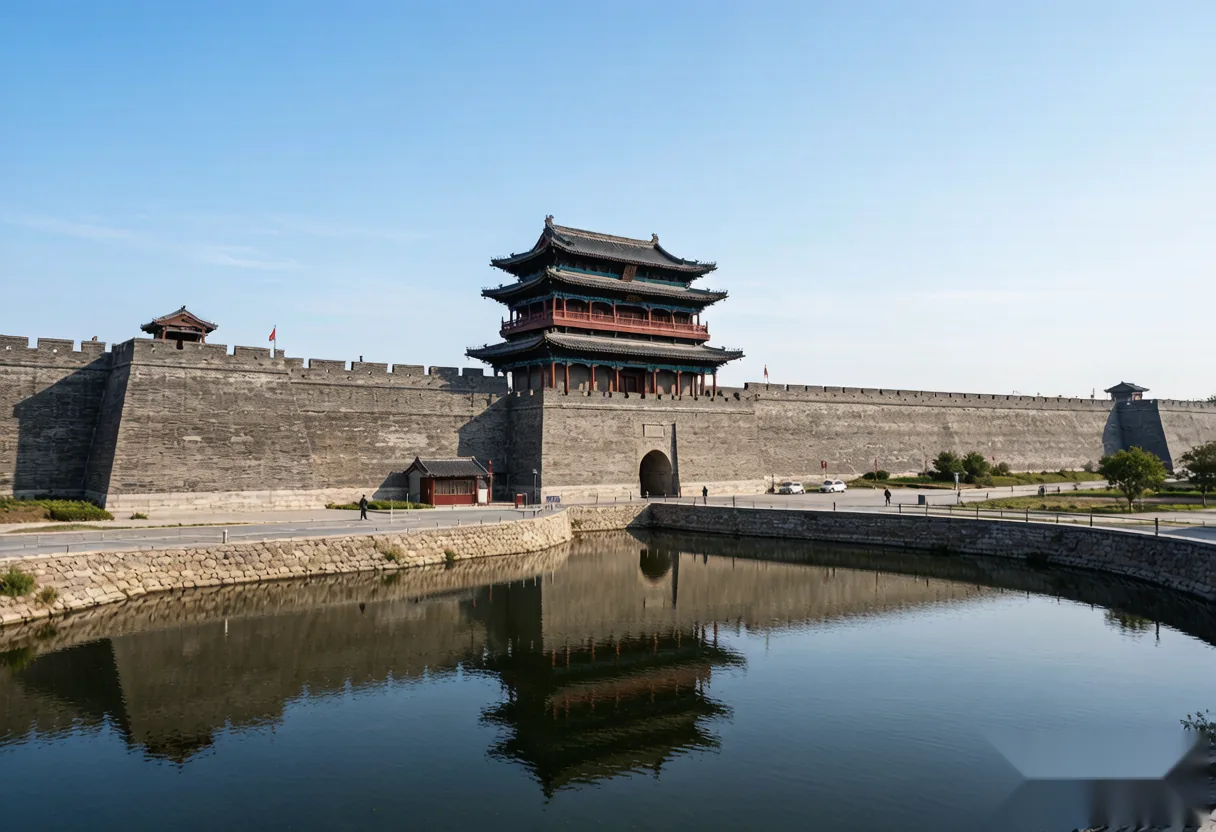
Luoyang is regularly counted among China’s great ancient capitals. Different sources name slightly different lists, but Luoyang appears on all of them, and its record as an imperial seat stretches across more than a millennium. You don’t need to be a historian to feel it — the city’s museums and ruins make the continuity tangible.
A long capital history
Luoyang served as a capital or major eastern capital for numerous dynasties and periods, including (among the most cited) the Eastern Zhou, Eastern Han, Cao Wei and Western Jin, the Northern Wei, and later Sui and Tang eras when it functioned as an eastern capital. Each left layers — walls, tombs, temples, and the art that ends up in the museum.
Why it mattered
- Geography: Situated in the fertile Luoyang basin, it was a natural centre for administration and trade.
- The Silk Road: As a eastern terminus of overland routes, it absorbed goods, religions and ideas from Central Asia.
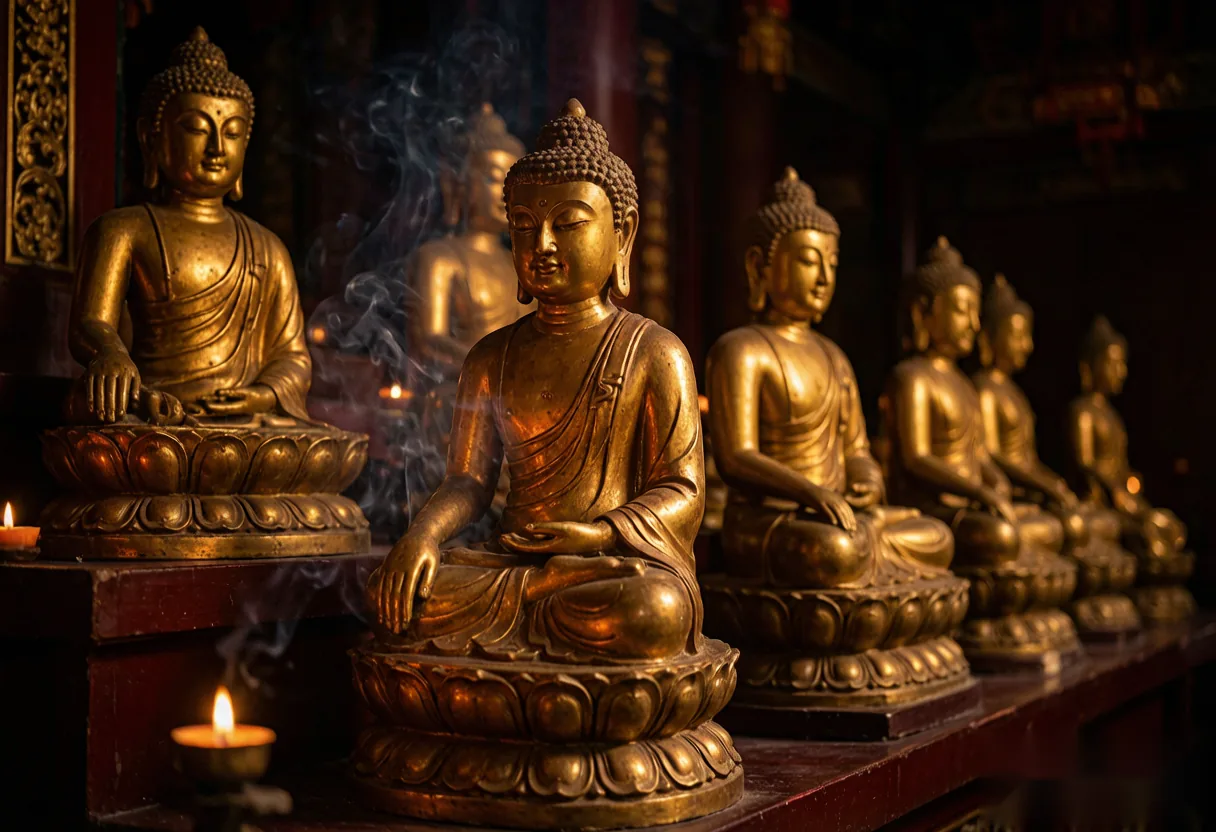
- Buddhism: It became a cradle of Chinese Buddhism (see our Buddhism in Luoyang page).
Where the history shows up
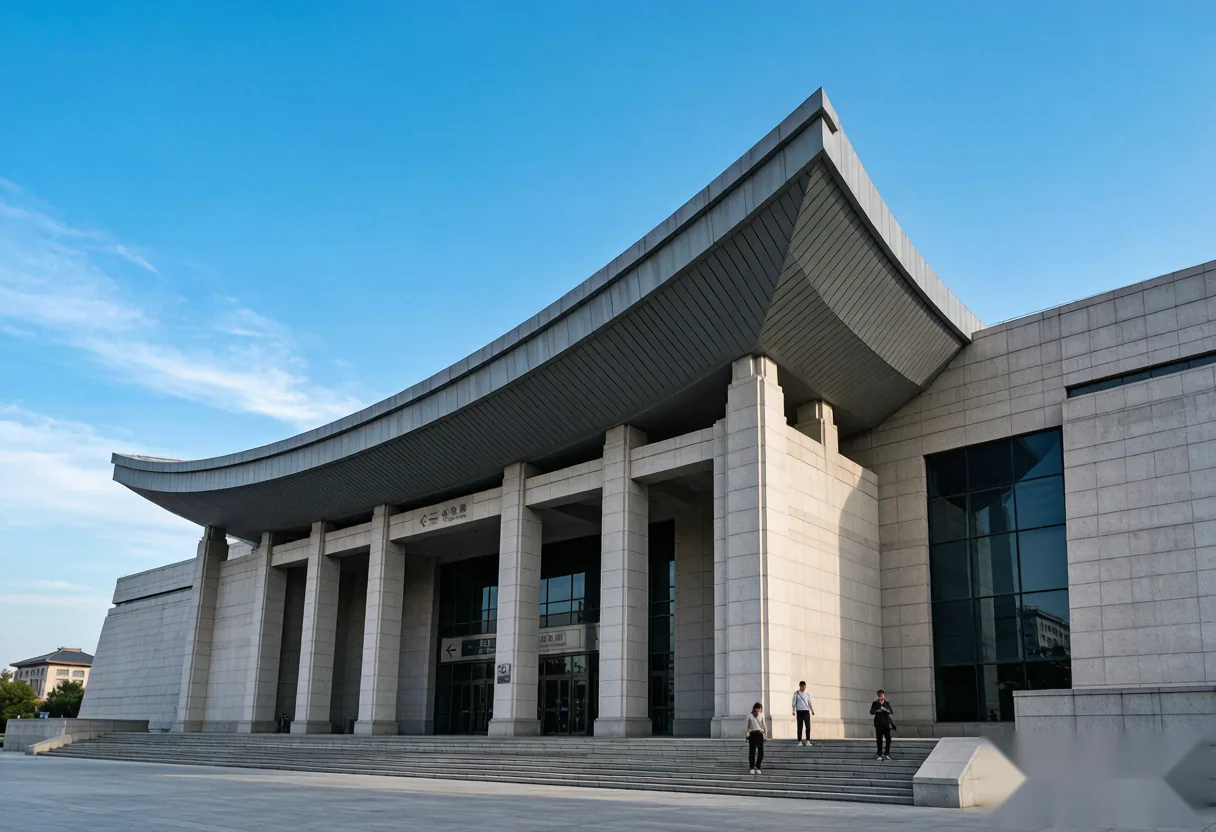
- The Luoyang Museum holds the artefacts across these periods.
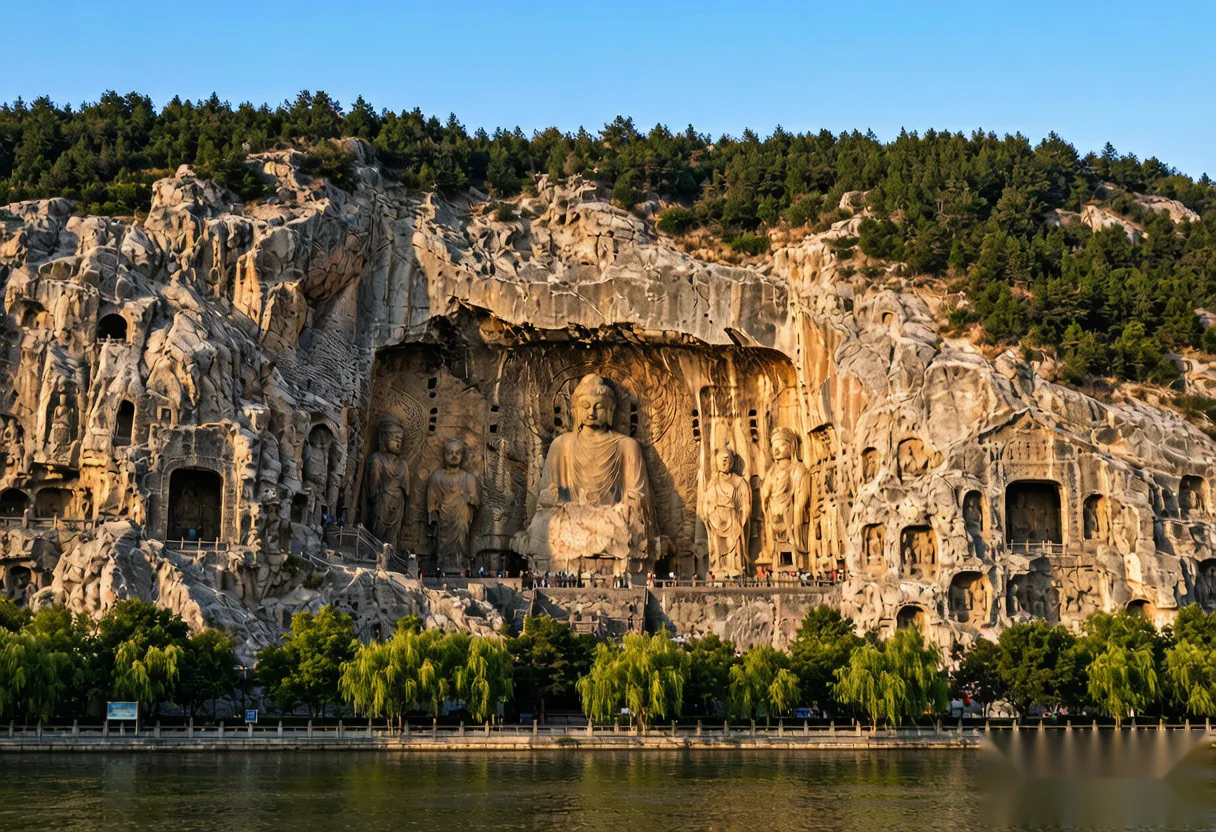
- The Longmen Grottoes are the most visible monument from the Northern Wei and Tang boom.
- Scattered city-wall remnants and temples mark the old core.
Tips for visitors
- Visit the museum before the outdoor sites — the context makes everything clearer.
- Don’t expect one “imperial palace” to walk through; Luoyang’s story is spread across sites and museums.
Frequently asked questions
Several across more than a thousand years, including Eastern Zhou, Eastern Han, Cao Wei, Western Jin, Northern Wei, and the Sui/Tang eastern capital period. Counts vary by source.
Not a single intact imperial palace. The history is best read across the museum, the grottoes, and scattered ruins and temples.
The Luoyang Museum — it frames the dynasties, then the Longmen Grottoes show the art those eras produced.