Introduction
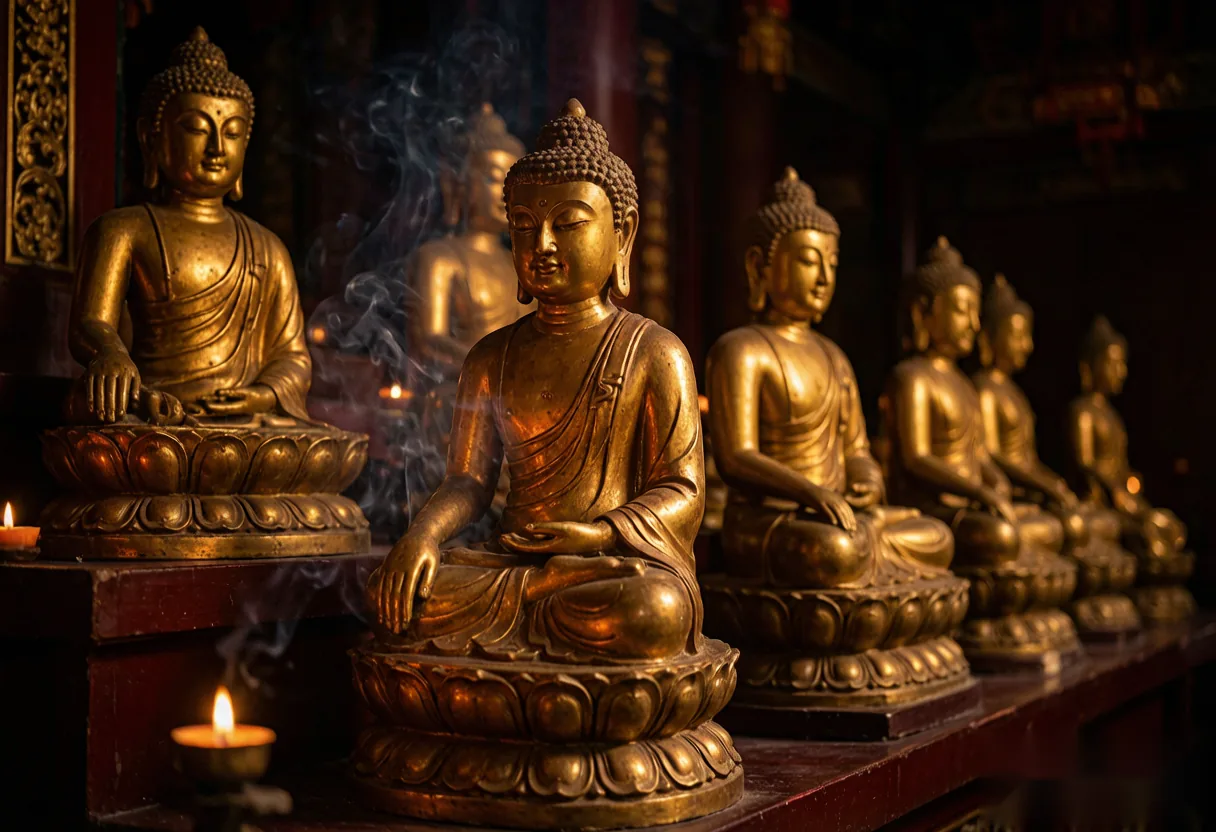
If there is one theme that ties Luoyang’s history together, it is Buddhism. The city is traditionally the place where Buddhism first gained a permanent foothold in China, and it later produced one of the world’s great Buddhist monuments. This page traces that arc from temple to cliff.
The White Horse Temple tradition
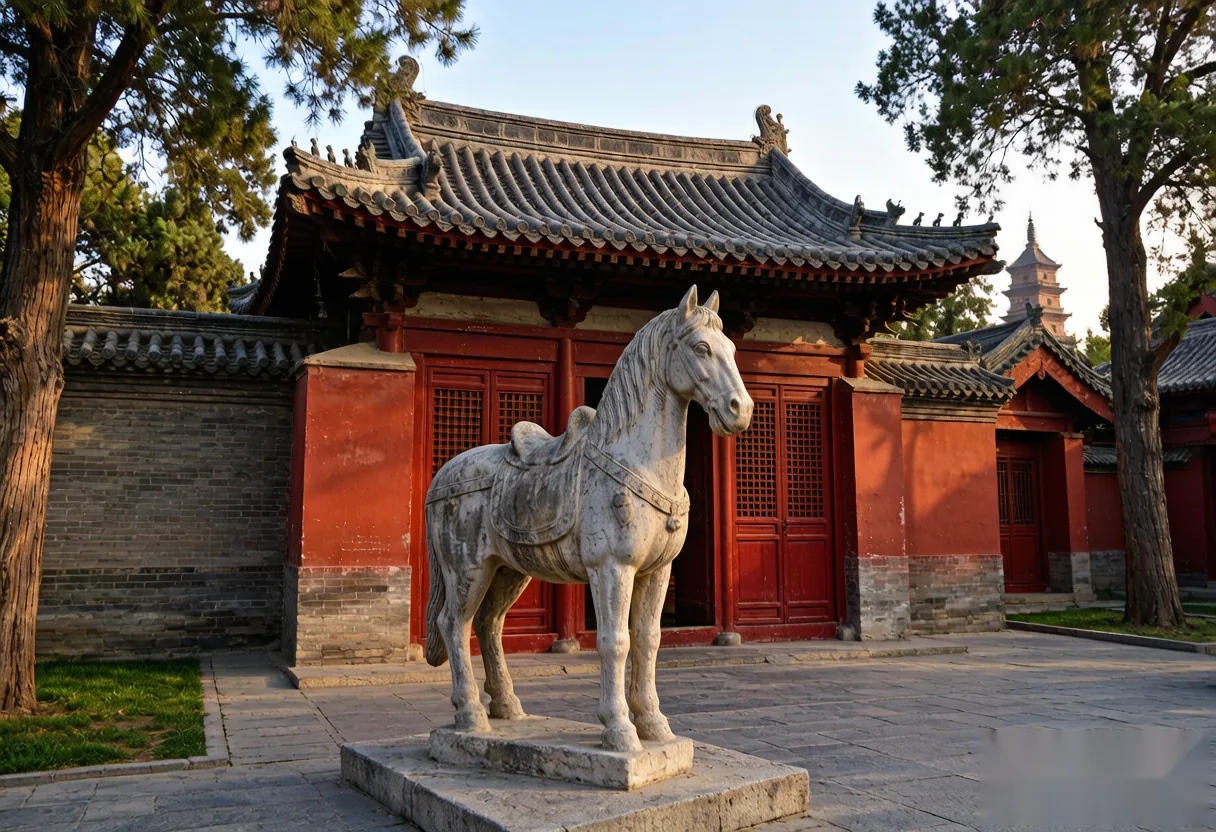
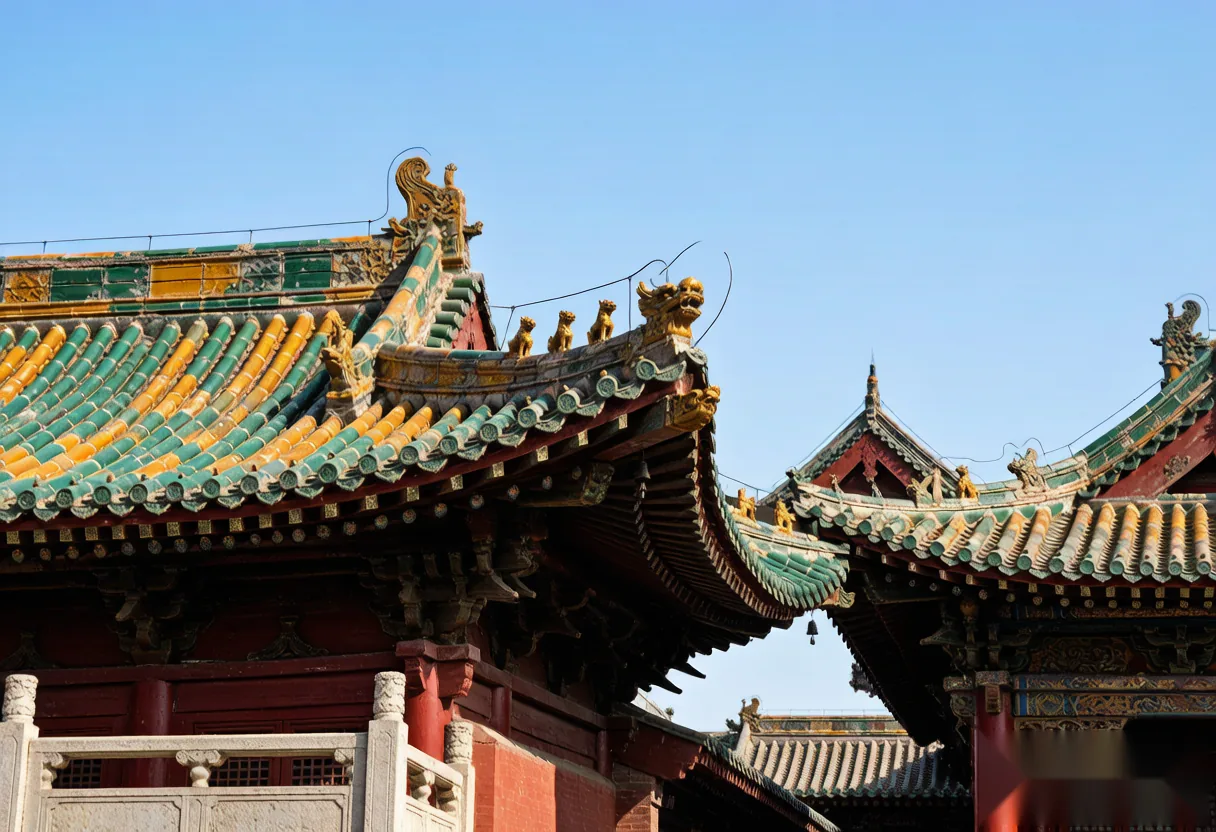
According to a long-told tradition, Buddhism reached the Han court in the 1st century CE, and the White Horse Temple (白马寺) was established soon after as the first Buddhist monastery in China. The precise history is legend-shaded, but the site’s symbolic role as a birthplace of Chinese Buddhism is undisputed and explains why it draws pilgrims and visitors alike.
Scripture translation
Luoyang became an early centre for translating Sanskrit scriptures into Chinese, carried out by monk-scholars who travelled the Silk Road. Those translations shaped Chinese Buddhism for centuries. The city’s position on the overland route made it a natural gateway for the new faith.
The Longmen Grottoes
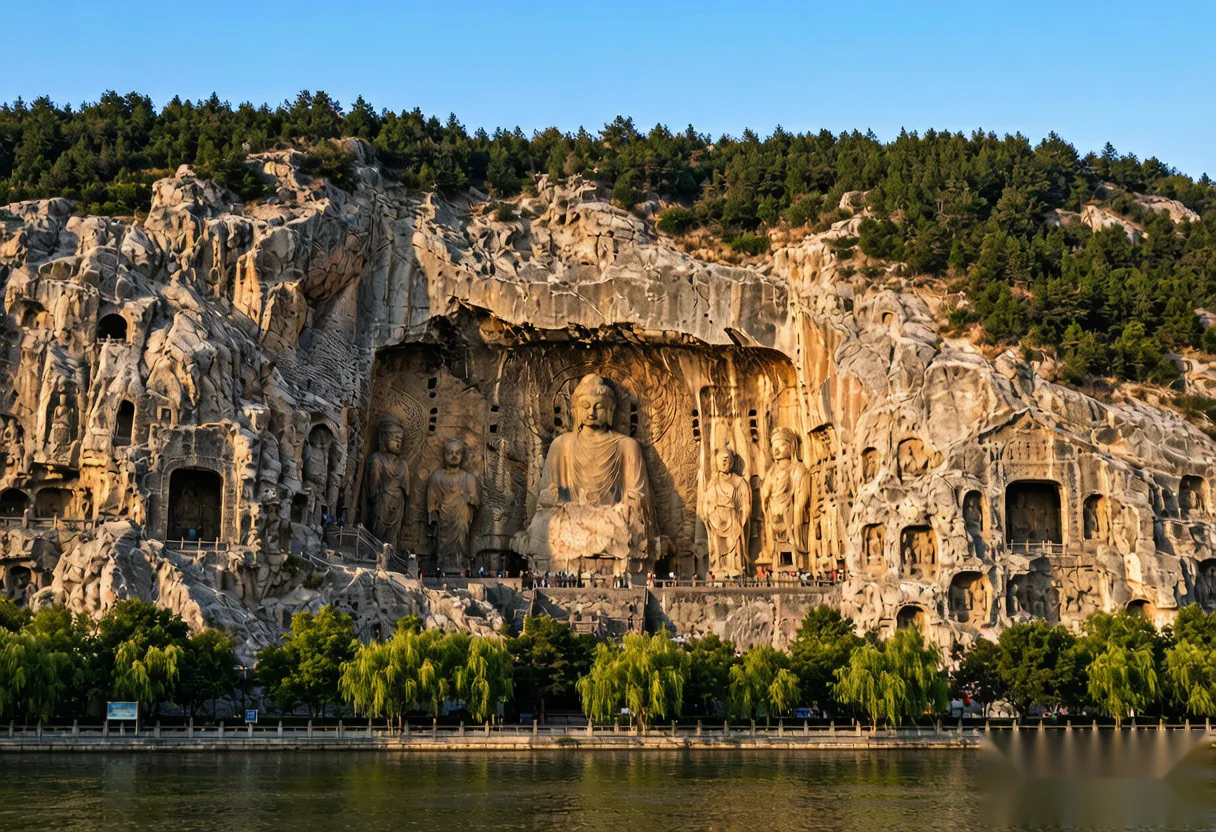
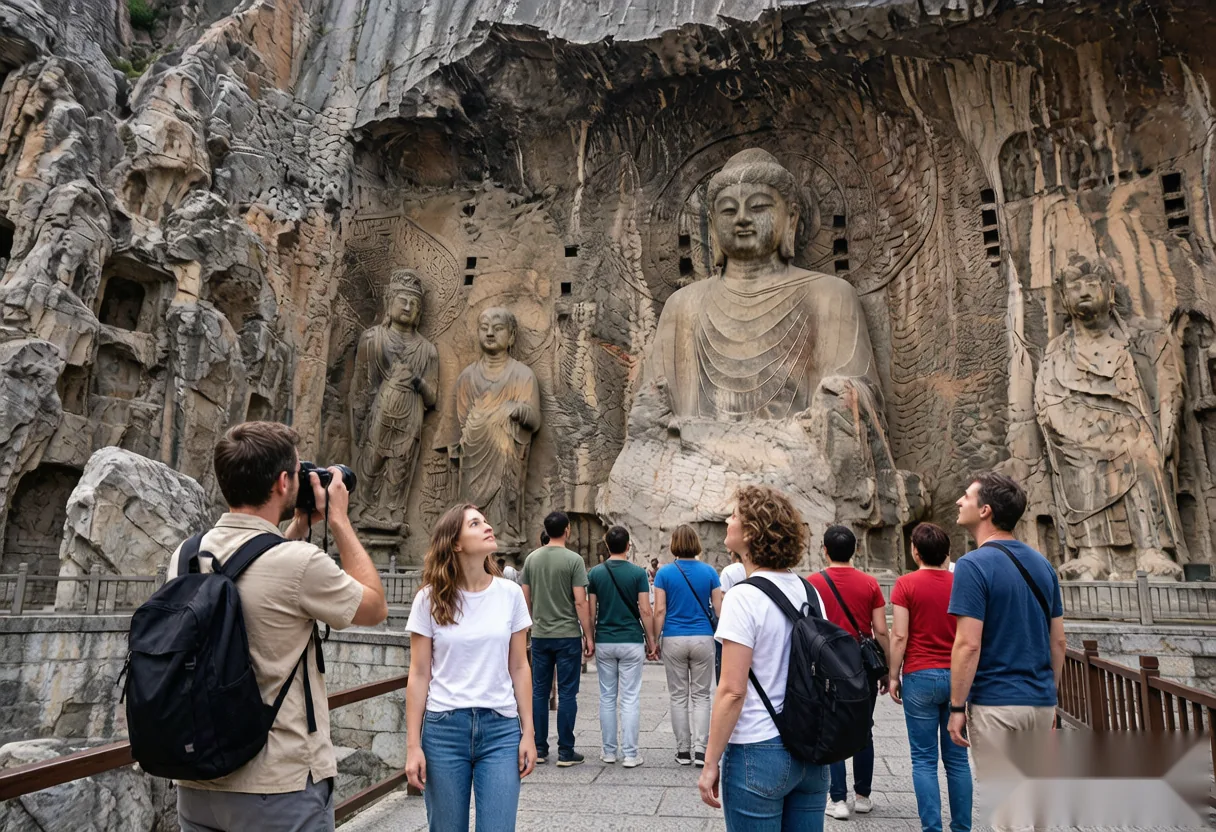
Centuries later, from the Northern Wei onward, Luoyang’s rulers and artisans cut the Longmen Grottoes — tens of thousands of Buddhist figures into the Yi River cliffs. It is the physical climax of the city’s Buddhist story and a UNESCO site you can walk through today.
Why this matters for visitors
- White Horse Temple = the symbolic origin.
- Longmen Grottoes = the monumental result.
- The Luoyang Museum holds Buddhist sculpture that bridges the two.
Tips
- Visit White Horse Temple and the grottoes on different days if possible; each deserves unhurried time.
- A guide makes the theology and imagery far more meaningful.
Frequently asked questions
By long tradition, yes — it is honoured as the first Buddhist monastery in China, dating to the Eastern Han. The earliest details are legendary, but its symbolic status is clear.
The Luoyang Museum's Buddhist-sculpture galleries show pieces spanning the periods between the temple's founding and the grottoes' carving.