Introduction
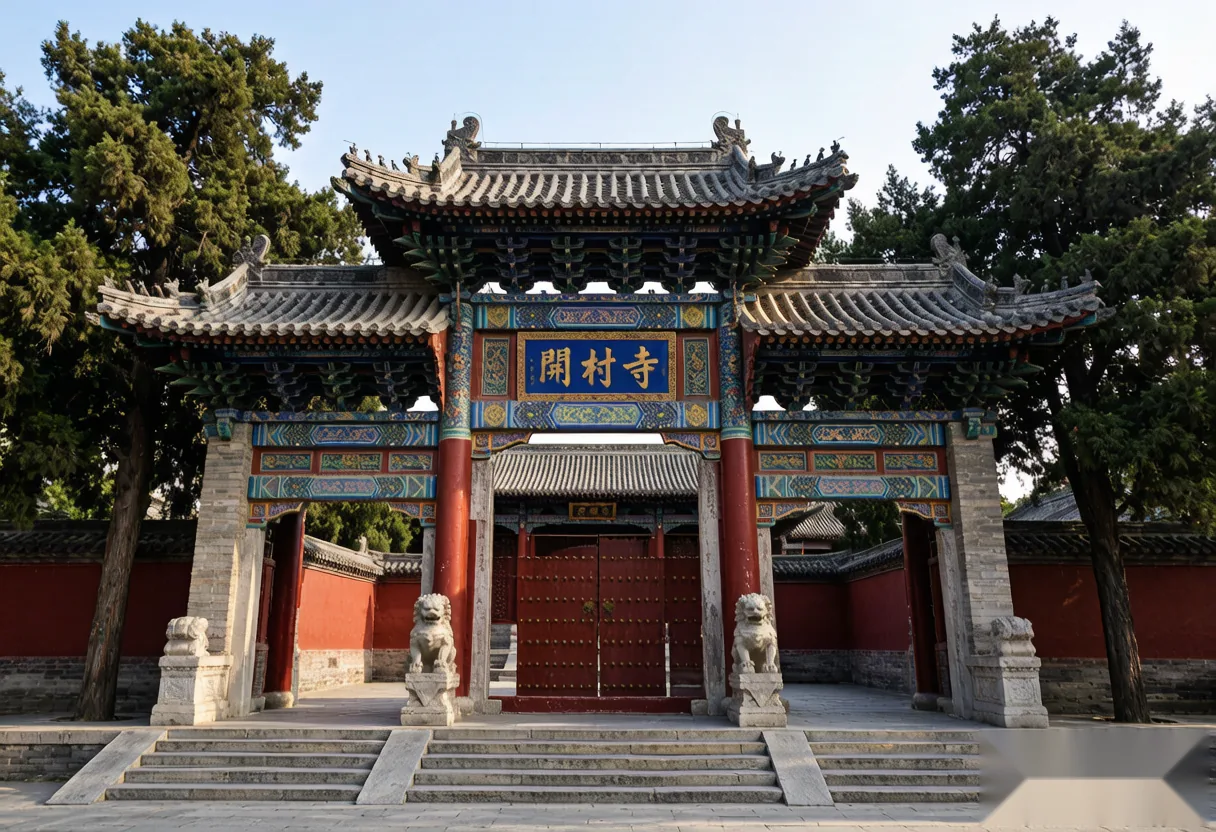
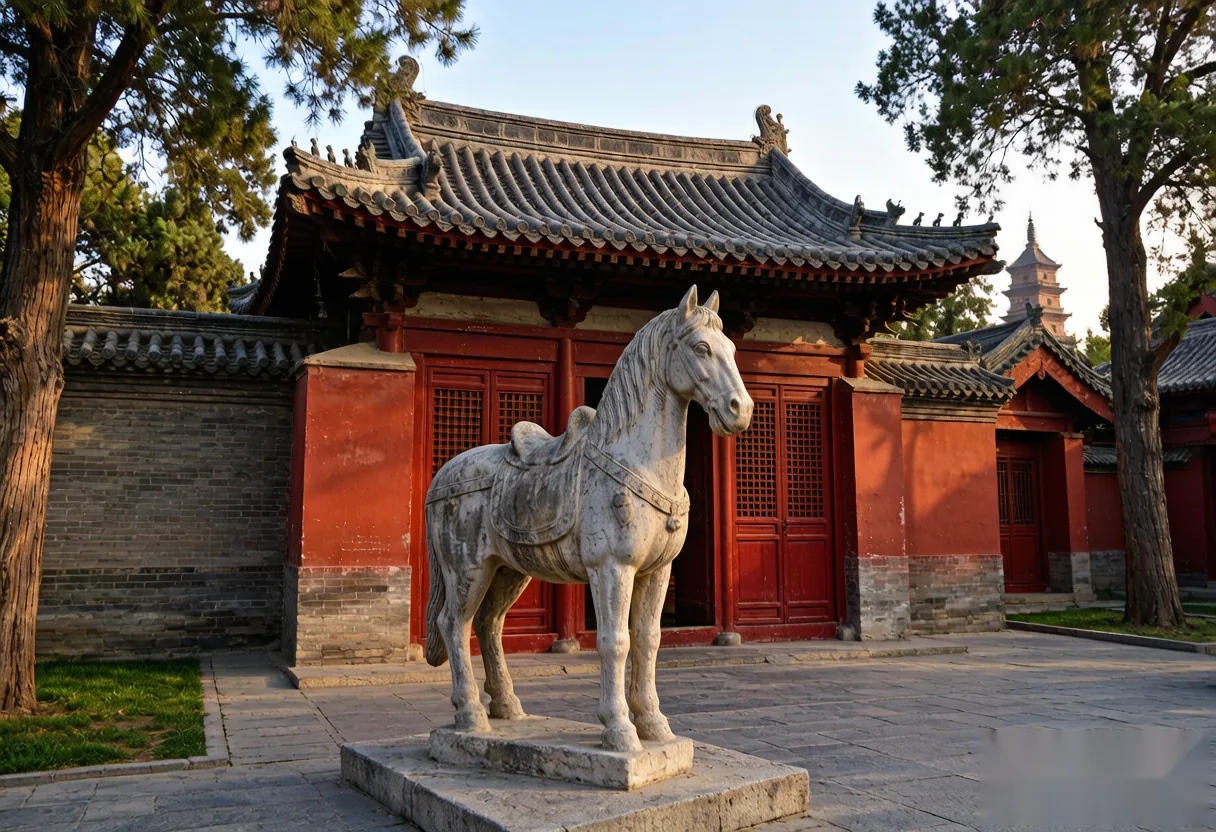
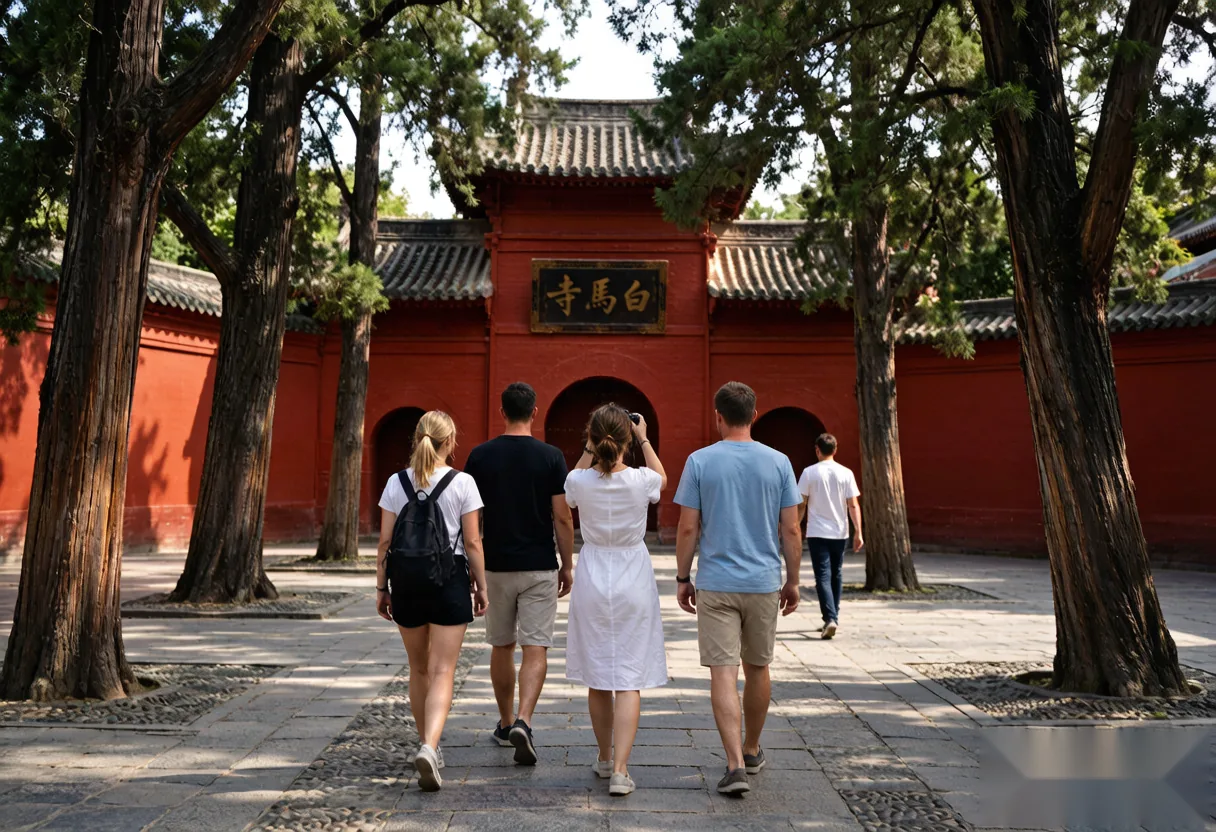
White Horse Temple (白马寺) sits about 12 km east of Luoyang and is traditionally honoured as the first Buddhist temple established in China, dating back to the Eastern Han dynasty. Whether or not you are interested in religion, it is a peaceful, leafy complex with a clear place in the story of how Buddhism travelled from India along the Silk Road and took root in China.
Why visit
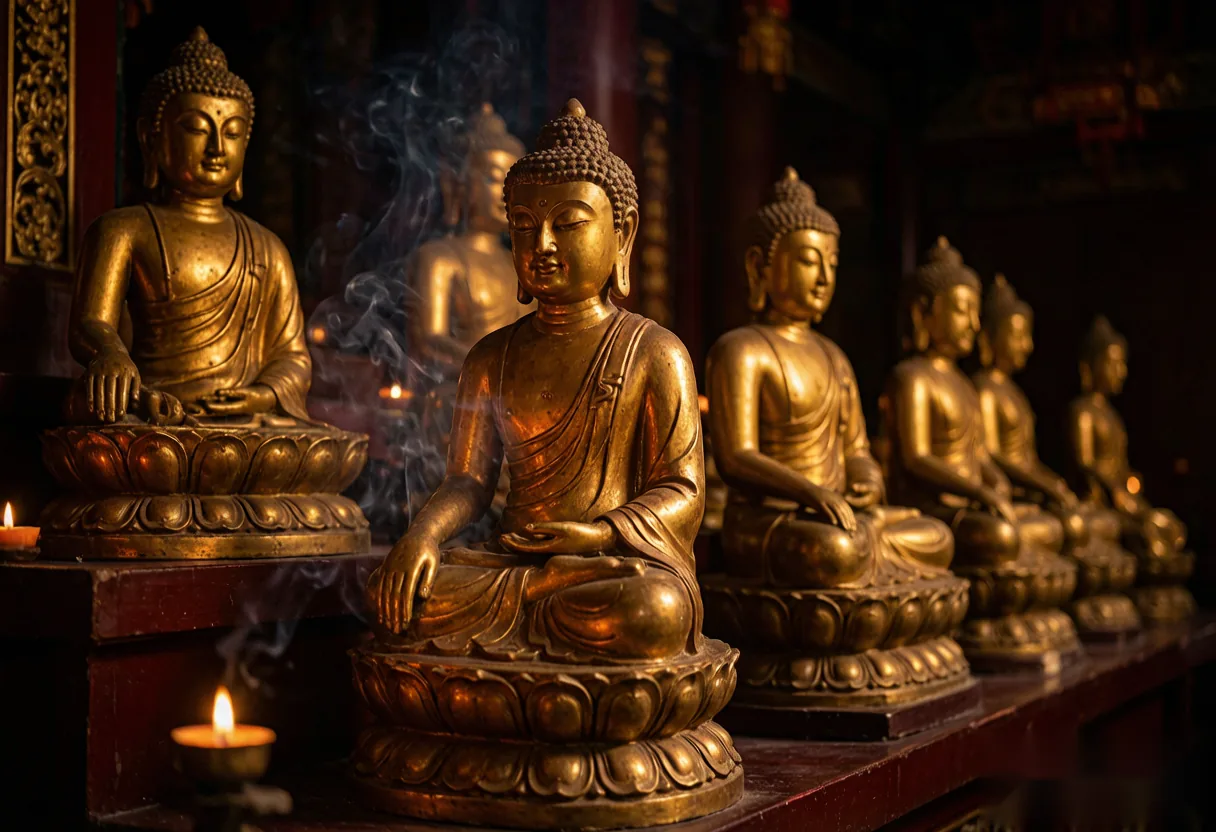
It is one of the most historically significant temples in the country, yet far calmer than the big city temples elsewhere. The grounds mix Han-Chinese halls with more recent additions, including a cluster of foreign-style Buddhist pavilions gifted by Buddhist groups from India, Thailand, Myanmar and beyond — unusual and photogenic.
What to see
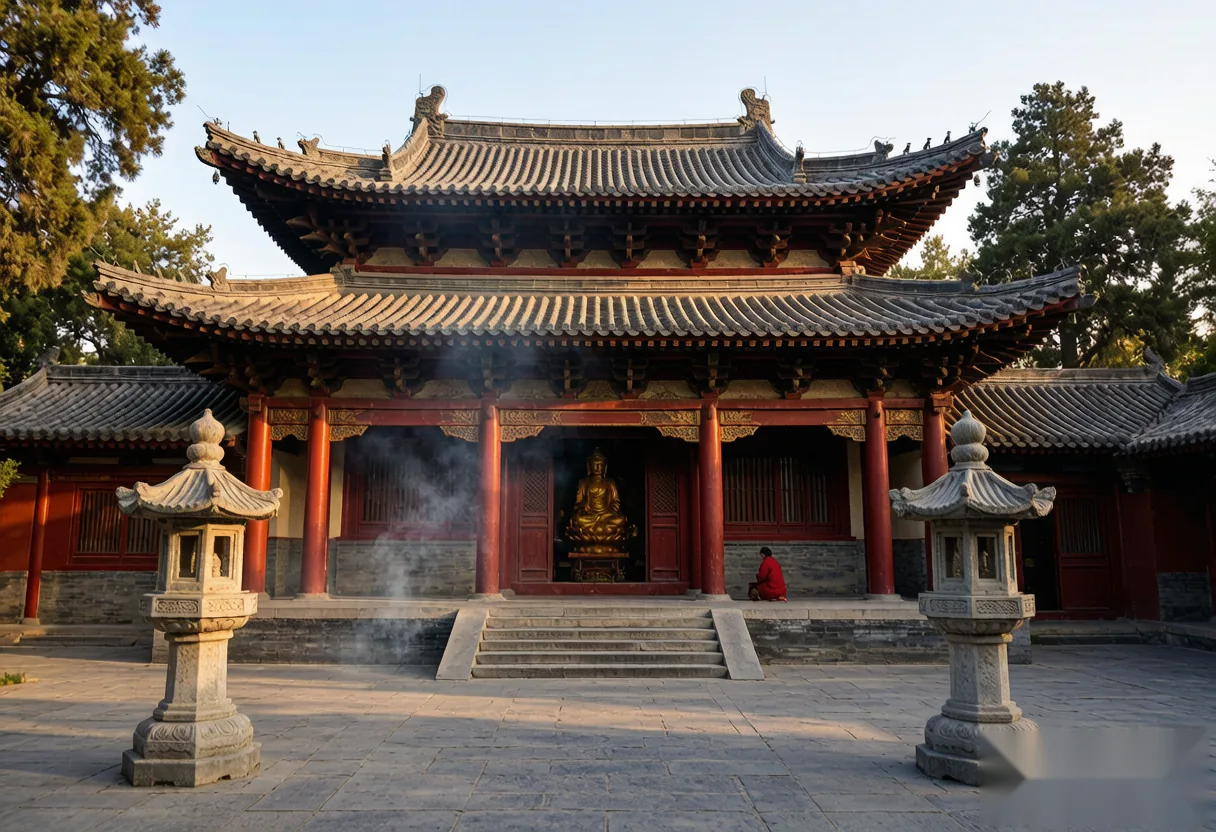
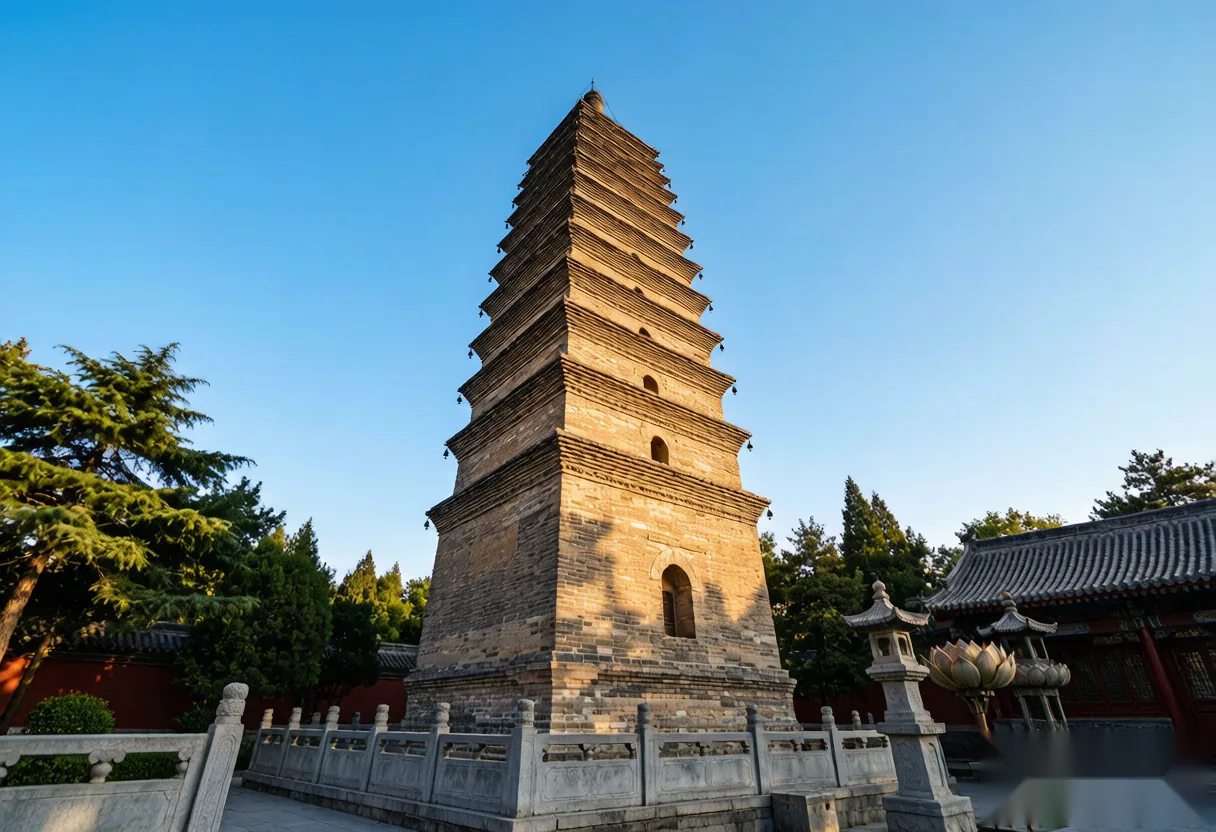
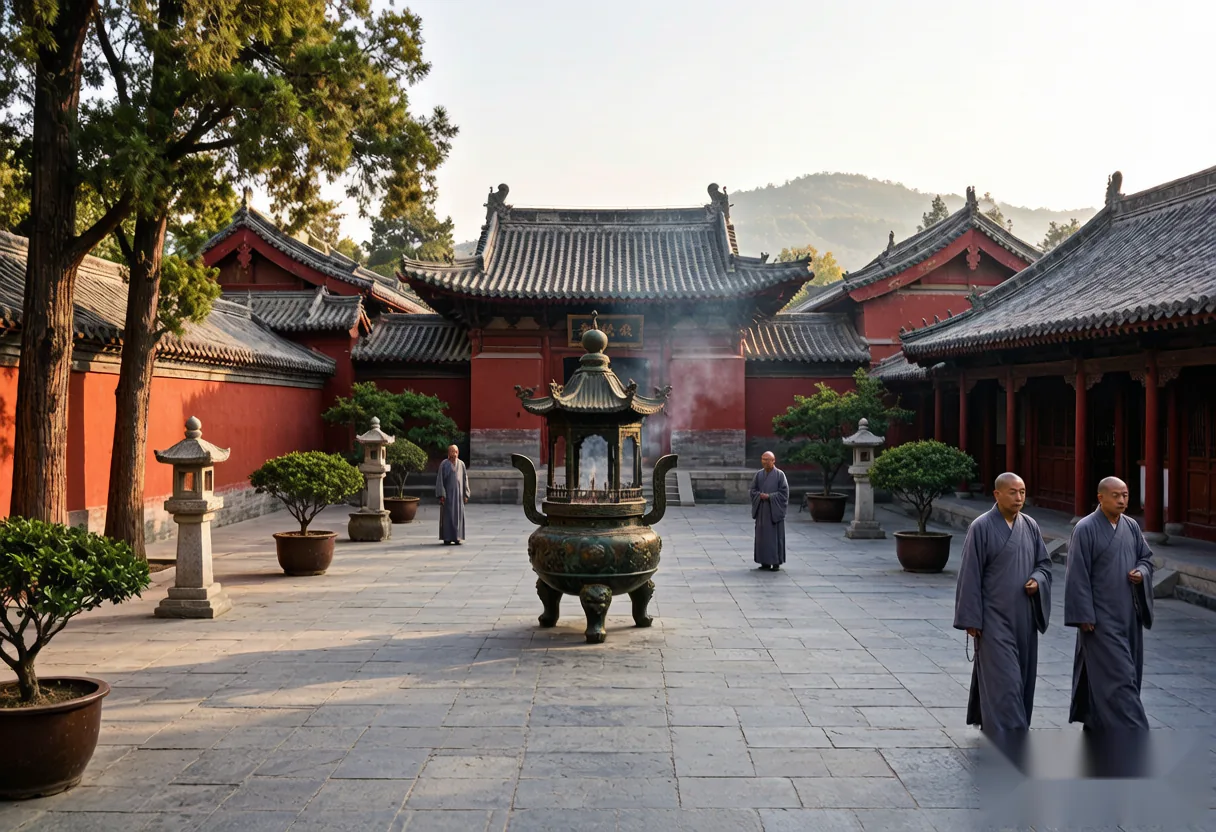
Walk the central axis of halls, then wander the side courtyards and the wooden pagoda. The recent international-style temple gardens are a highlight and a good spot for photos. Allow 1.5–2.5 hours.
Practical information for foreign visitors
How to get there
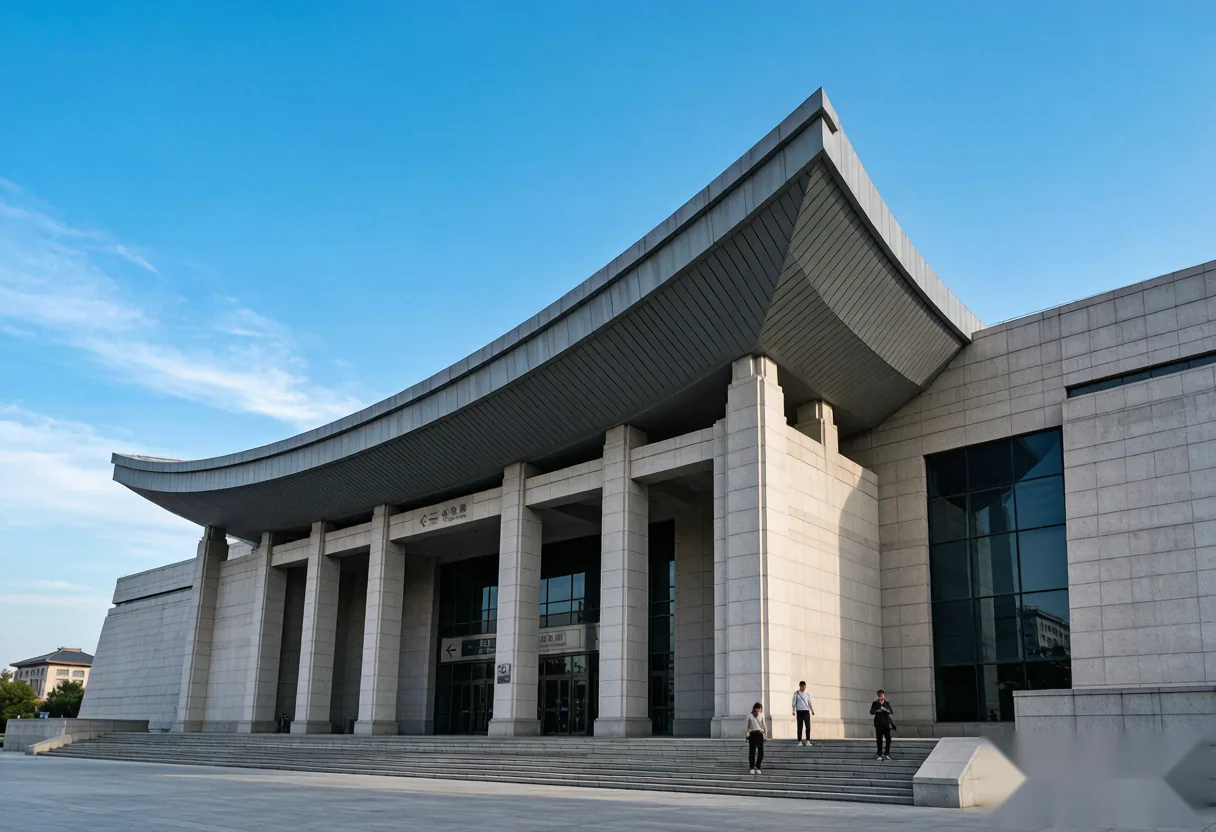
Ride-hailing (Didi) or a private driver from Luoyang city is the easiest option (roughly 30 minutes). Public buses exist but are awkward without Chinese signage. Many visitors pair this with the Luoyang Museum on the same side of town.
Tickets & opening hours
Entry is ticketed and hours are seasonal — verify the current price and opening times at the gate or a reliable source before visiting.
Facilities
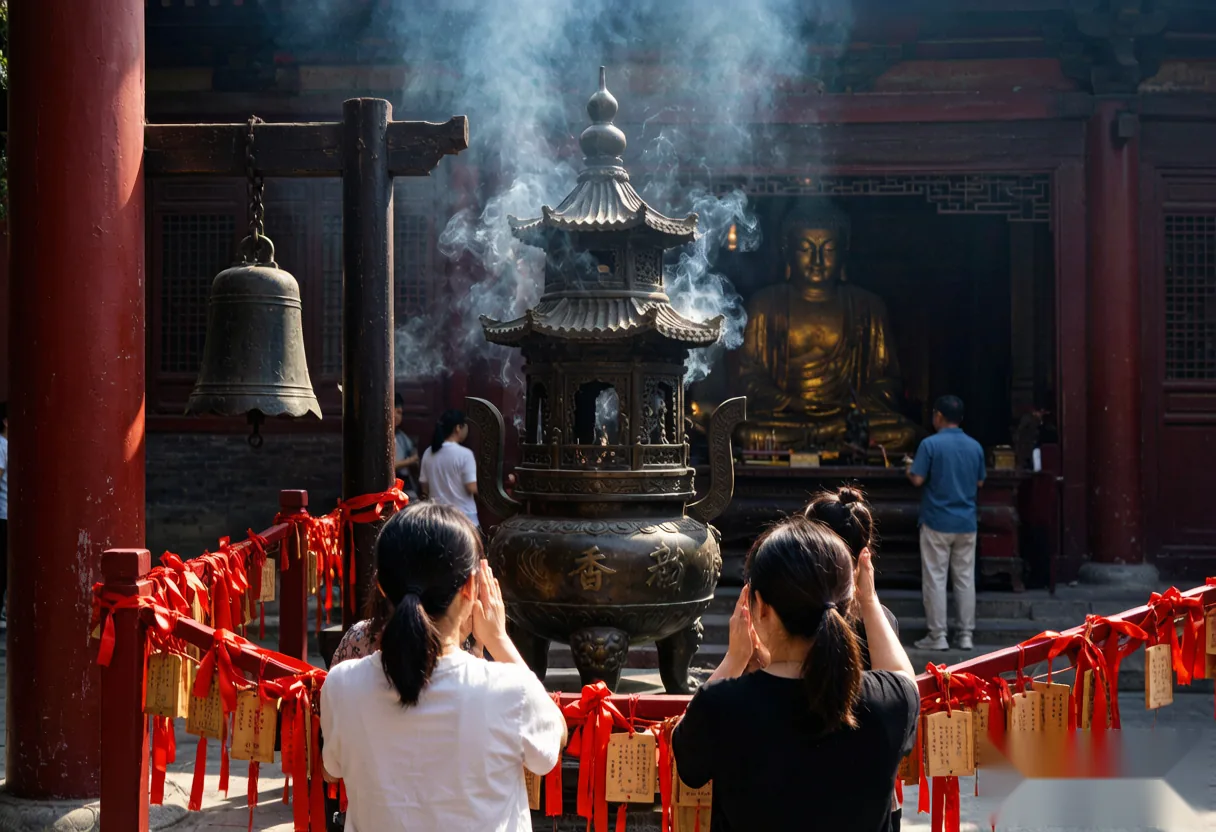
The site is largely flat and walkable, with shaded paths and seating. Modest dress is appreciated as this is an active place of worship.
Tips for foreign visitors
- Dress: Cover shoulders and knees; remove hats in the main halls.
- Behaviour: Keep voices low; photography is usually fine outdoors but avoid flash inside active shrines.
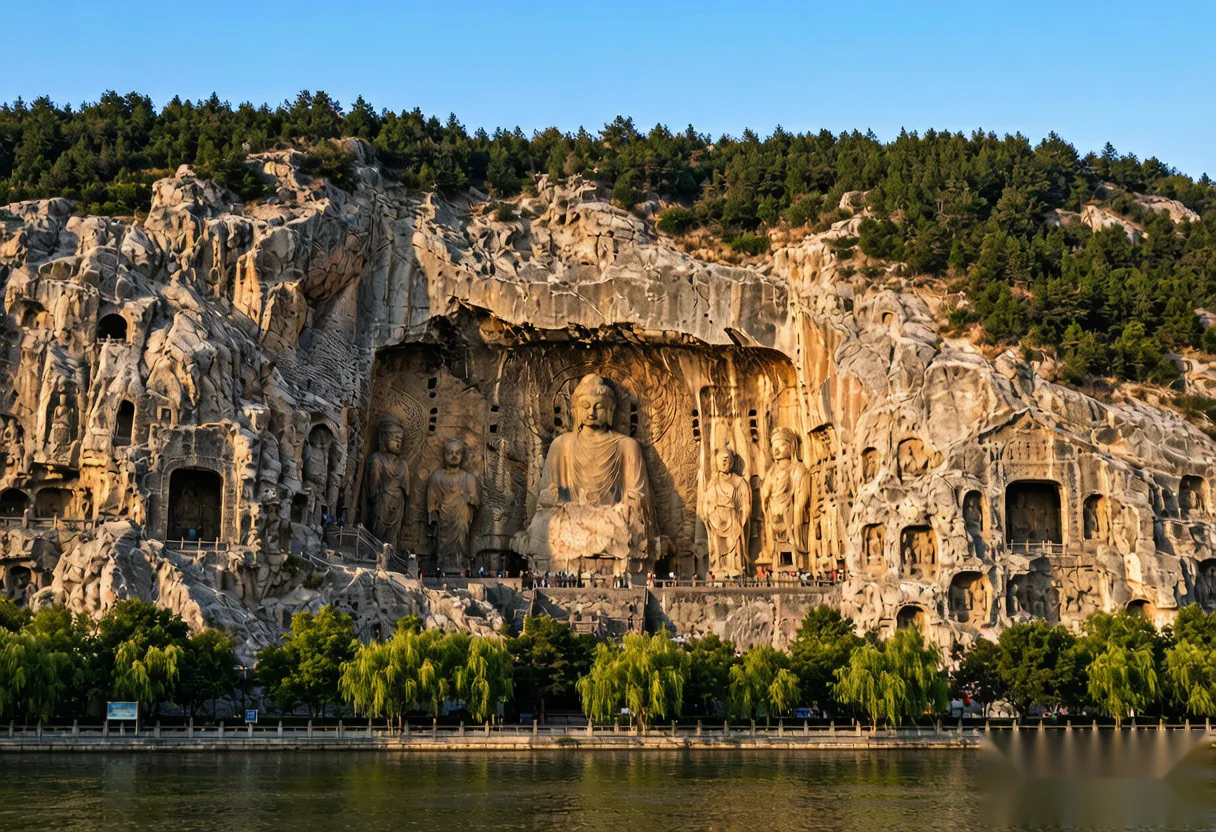
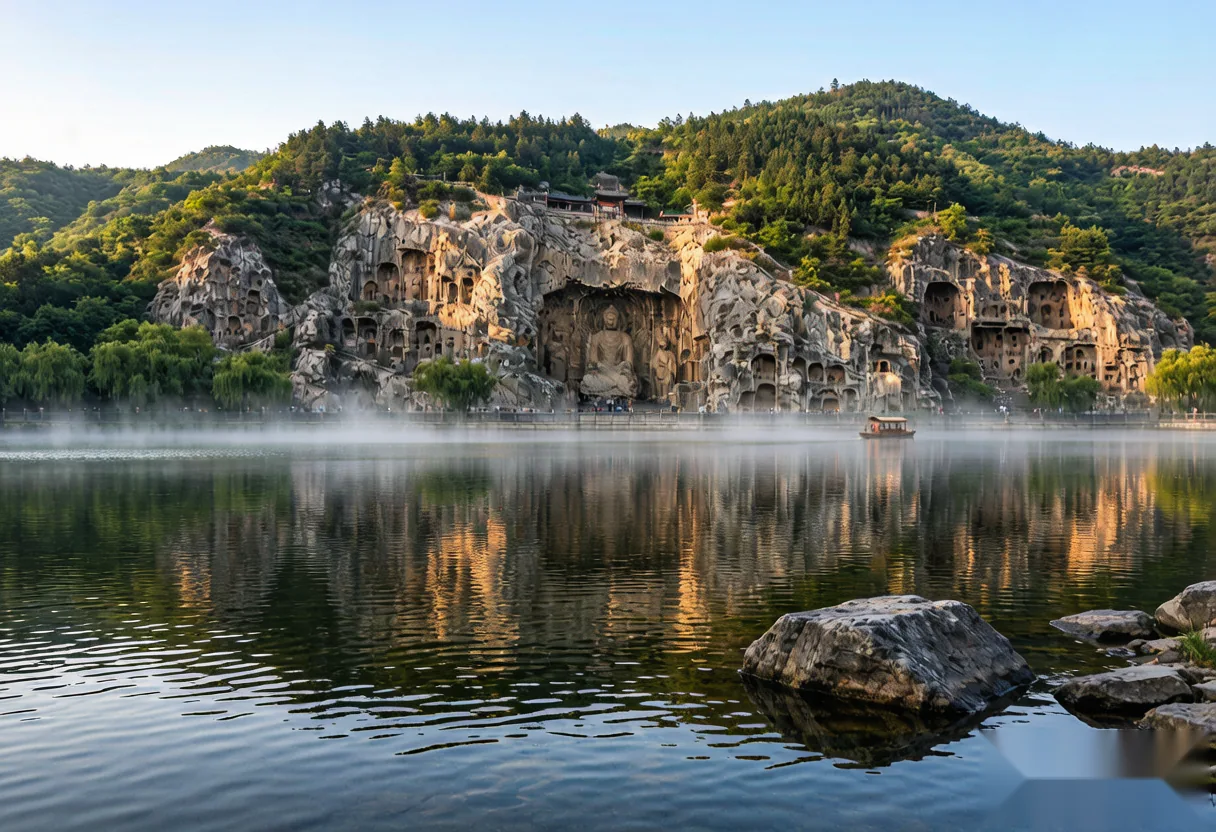
- Combine: Pair with the museum rather than the grottoes, which are in the opposite direction.
Frequently asked questions
It is traditionally regarded as the first Buddhist temple in China, founded in the Eastern Han dynasty, and marks the early arrival of Buddhism from the Silk Road.
About 1.5–2.5 hours for the halls and the international-style garden pavilions.
Yes. It is a working temple with monks and worshippers, which is part of its appeal for visitors interested in living culture rather than only ruins.
Photography is generally fine in the open courtyards and gardens. Be discreet and avoid flash inside active worship halls.